Tag: Science

Wonder Journal #10: Using science to talk about death

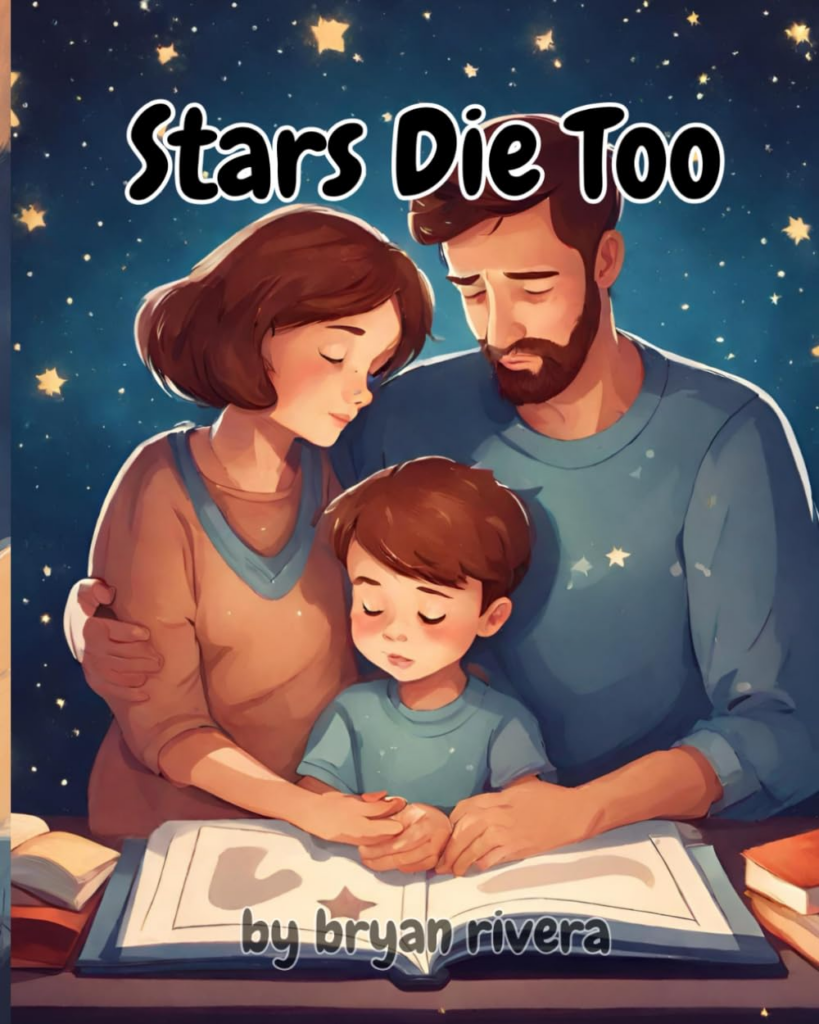
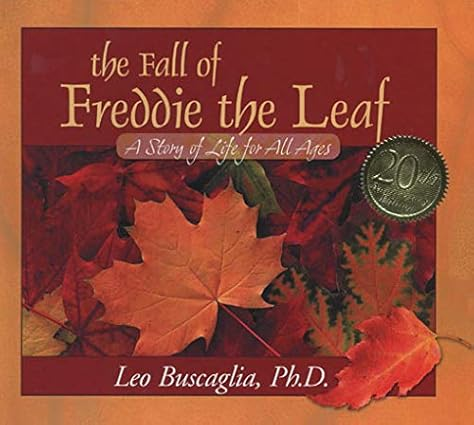
This week in science, a beautiful picture book was brought in, called “Stars Die Too”. I didn’t get the chance to read it in class, but it reminded me that there are resources like this out there to help students understand and accept death as part of the lifecycle for everyone and everything on Earth. It reminded me of a similar but much older book that a classmate introduced me to, called “The Fall of Freddie the Leaf”, which I really love. I believe that it is important for students to understand death from a young age, so that it is something that can be approached with love and understanding rather than fear and awkwardness. The beautiful yet tricky part is that every culture in the world, and every family, has a unique way of thinking and talking about human death, because it is so personal and often a key part of religion and spirituality. The aspects of various religions and spiritualities that help people make sense of death can be talked about in public schools, but only to a limited extent. Besides, this is only explicitly included in the BC social studies curriculum starting at grade seven, when origins, core beliefs, narratives, practices, and influences of religions comes into the picture.
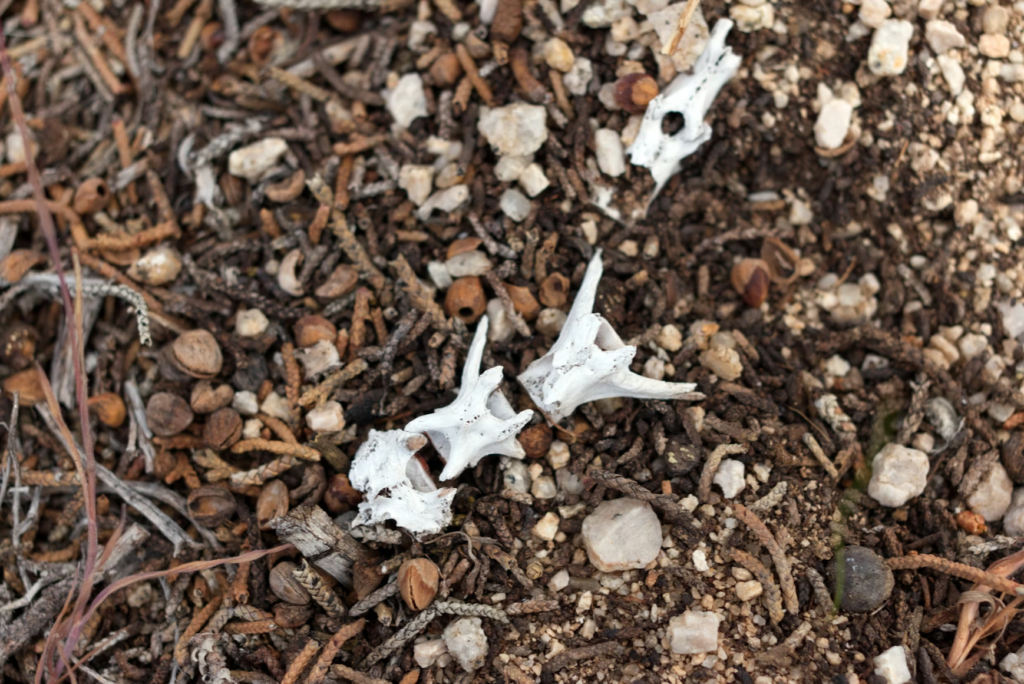
Image credit: Unsplash

The fact that the only two children’s books on death I have encountered are the ones mentioned above is strange to me, given that death is a universal part of the human experience (I’m sure more are out there, please do leave a book suggestion if you have one). But, on the positive side, the fact that both of these books revolve around science (astronomy or changing seasons) gave me a hint at how we can talk about death with young students: through discussing life cycles! In a very secular, public school friendly way, I can imagine providing students with comfort by teaching about how matter is eternally changing form and being recycled, becoming part of new life. This perspective connects with the water cycle, rock cycle, the formation of our solar system, and of course the life cycles of living beings- all part of the BC’s elementary and middle school science curriculums at various grades. Now that I see this connection, I feel confident that as a teacher, I can naturally work conversations about death into the science curriculum at any grade.
Wonder Journal #8: Learning through play and animal identities

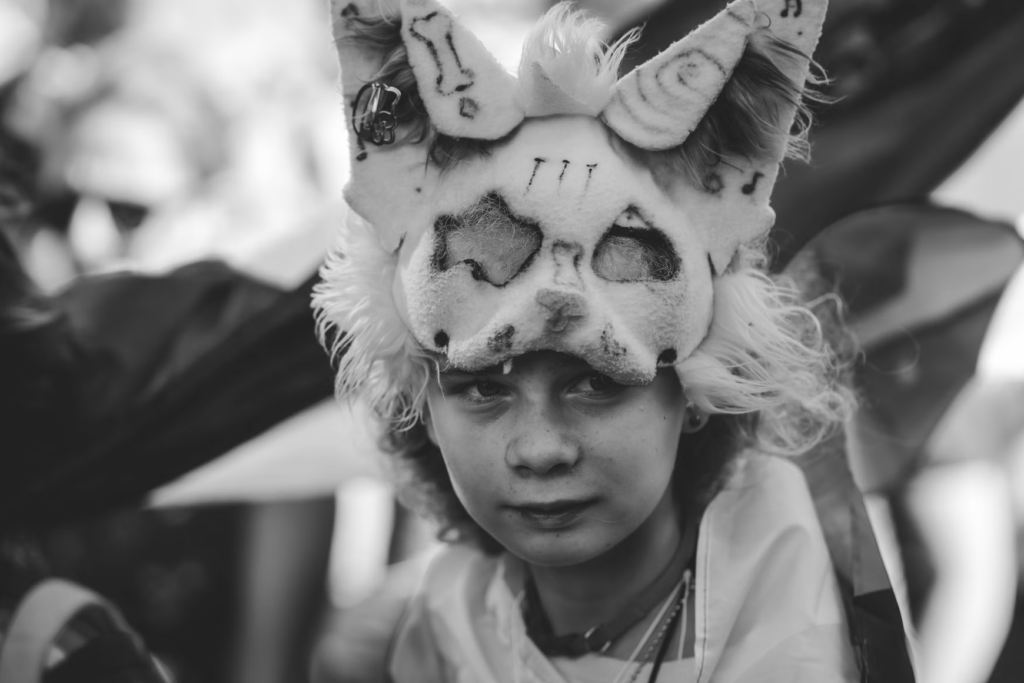
Image credit: Unsplash. For reference, the style of the owl mask I describe was similar to this.

Recently when I was in one of my practicum classrooms, I noticed a wonderful piece of art on the wall. It was an animal mask (I think an owl) that looked like it might have been felted from grey wool, and it had some feathers and charms attached to it. It was very detailed, and it was clear it had been made with care. I asked my mentor teacher where it came from, and she said a student had made it for her. I was so impressed! Since then, I have noticed that some students at the school wear similar animal-inspired accessories, like fox tails, ears, or a mask. I love fashion and am a bit of a unique dresser myself, so I can appreciate this unconventional style. After some internet digging, I’ve learned that some of these accessories come from a subculture called “therians”, which are people that identify with specific species of animals and feel happy and comfortable when dressing and acting like them. Since this is not a widely researched or understood phenomenon, the best information I can provide (aside from the perspective of therians themselves) is probably this article from a child psychologist, which helped me understand this in the context of a middle school.

Image credit: Unsplash

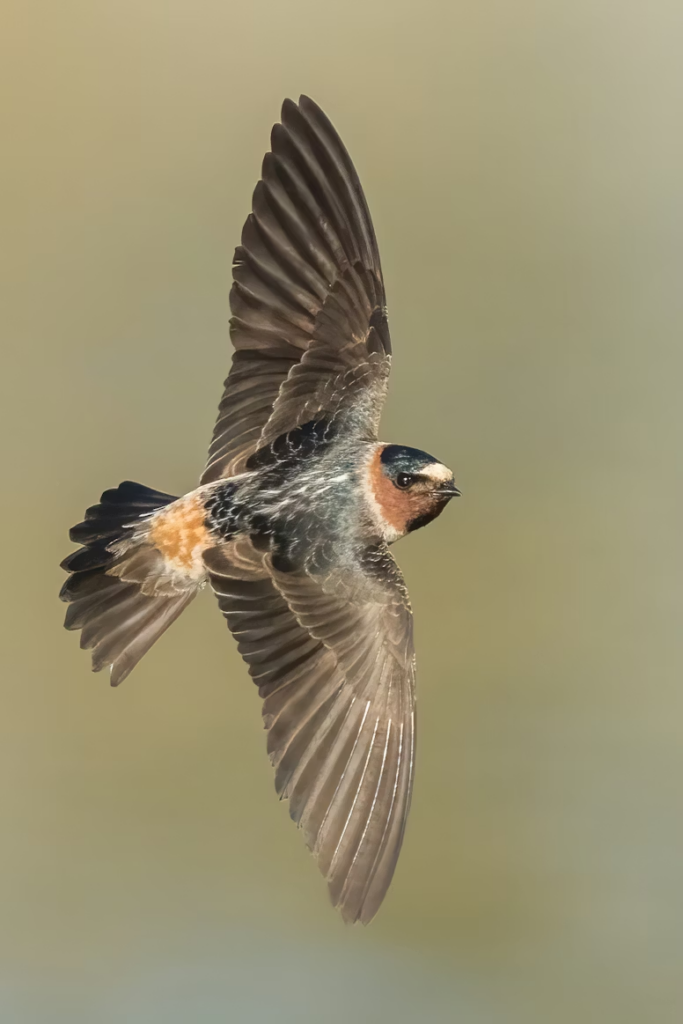
I didn’t give the idea of therians much more thought, but in science class today, a strong connection popped up. Our teacher discussed an outdoor science activity (geared towards grades two or three) that looked something like this:

  • The teacher delivers a lesson on types of local bird species, discussing their individual traits, food sources, nest types, etc.
  • The teacher uses a roll of brown paper to trace out wings for the students, which they then decorate and wear to the forest
  • Students are prompted to see the forest through the perspective of their bird species, considering things like where predators might be, where to gather food, how to create a safe and warm nest, etc.
  • Students play pretend by gathering materials, making nests, and interacting with other “bird species” (students) before returning inside to reflect on the expereince

Although there are some notable differences between the students participating in the bird activity and actually identifying as a bird therian, both these scenarios represent a really interesting way to understand wildlife. I am a strong believer that students model their needs through playing, and I think the increasing number of students who are identifying as therians could be a sign that students already know they need more connection to nature. As I design lesson plans for science, I want to make an attempt to connect with these students and incorporate their perspectives. I do not totally understand them yet, but that is ok, and I’m sure there are some really valuable things I can learn from them.

Wonder Journal #4: Could “risky play” help students move beyond ecophobia?

Image credit: Unsplash

This week, we talked about David Sobel’s book “Beyond Ecophobia”, and the ways that we as teachers can inadvertently turn students away from environmental education by using the wrong approach. When students are experiencing ecophobia, they view the Earth as something that is sick, fragile, and dying, even something that is beyond hope, a source of sadness. Some argue that the way climate and environmental education has been (mis)handled is partly to blame for a new phenomenon known as “eco-anxiety”, which is explained in a student-friendly way in the video below.

I remember being in grade eight and repeatedly being reminded to “be careful” outside at lunch, especially when I climbed trees. I was told that I wasn’t allowed to climb the trees bordering the field, because either I would get hurt by the tree or I would hurt the tree. Either way, someone was apparently going to lose a limb. I understand where this sentiment came from, there were certainly peers who would peel excessive bark off or snap off healthy branches and leave them scattered around the field. But looking back, I think a better response than to essentially ban interacting with nature would have been some gentle environmental education, that focused on how we can have good relationships with trees so they’re tall, strong, and climbable for years to come. I wonder if “bringing back risky play” could help in diminishing ecophobia and climate anxiety? Perhaps if students had some opportunities to test the resilience of both themselves and nature, they would understand that it’s actually quite easy to live in a good balance with the Earth, to not take too much. I am going to try combining “risky play” and environmental education in my future science lessons for young students.

Wonder Journal #3: Why do we learn Indigenous animal names first?

There are so many aspects of Ktunaxa science that students can learn about through learning the Ktunaxa language. I am glad that we learn about animal names in class, but what else can we do? I don’t want to leave students with the impression that Ktunaxa science is limited to categorizing animals, because it’s so much more than that. How about describing landforms, seasons, geological processes? Or… how about the thousands of Ktunaxa verbs that describe specific states of being and changes in living and non-living beings and the environment?

“We dissect nature along lines laid down by our native language.”

Benjamin Whorf

One thing that makes the languages of Ktunaxa and English so different is that Ktunaxa is verb-based, while English is noun-based. In Ktunaxa, the centrality of verbs shows that the relationships between beings and things is valued and appreciated above the individuals. My favourite example of this, one that I’m sure would be absolutely hilarious to students of any age, is that Ktunaxa has four separate verbs relating to farting. They are:

Image credit: First Voices, Ktunaxa https://www.firstvoices.com/ktunaxa/search?q=fart&domain=both&types=word%2Cphrase%2Csong%2Cstory

Because English is noun based, we often have only one verb to describe the general idea of something that Ktunaxa describes in many distinct ways. But, we have many words for specific items such as aglet (the little nub at the end of your shoelace) or pareidolia (the phenomenon of seeing faces and patterns in random objects). I think we might want to teach students (Ktunaxa and English) nouns first in science because we see it as more helpful for them to know, and it comes automatically. But if we stop at categorizations, I think we run the risk of trying to fit Ktunaxa science into a western science framework. I also would hate for students to miss the opportunity to see the complexity of the world through a Ktunaxa language lens in the areas that English falls short.

So, I flipped open my copy of Ksanka ʼA·kłukaqwum and started digging for verbs (and other descriptive words) that name scientific happenings- specifically ones that English doesn’t have an equivalent for. I only skimmed through the “H” section, and here’s how much I found:

A lot of words for only one section of the dictionary!

In the future, I will make sure to bring Ktunaxa verbs such as these ones into science to help students deepen their learning and look for connections, not just items. As usual, western scientific approaches are juuuuuust catching up to Indigenous ones, it seems.

Wonder Journal #2: Art and Science

Image credit: Pinterest
Image credit: Anonymous EKTEP student

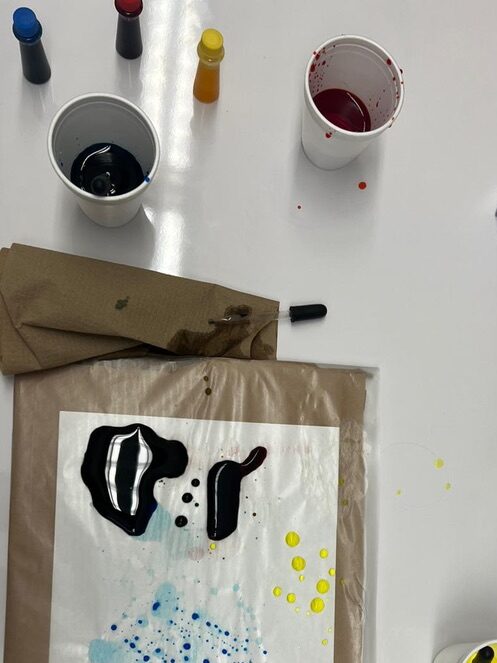
This week, our science class tried several fun and engaging activities involving colour mixing and surface tension. These activities were so fun, in fact, that I forgot to take pictures of them because I was so immersed! Thankfully my classmates did the job for me and were kind enough to share, so I can show you what we got up to. I will also be writing out simple instructions as I would like to bring the first activity into the classroom one day and will need reminders of the process.

Image credit: Anonymous EKTEP student

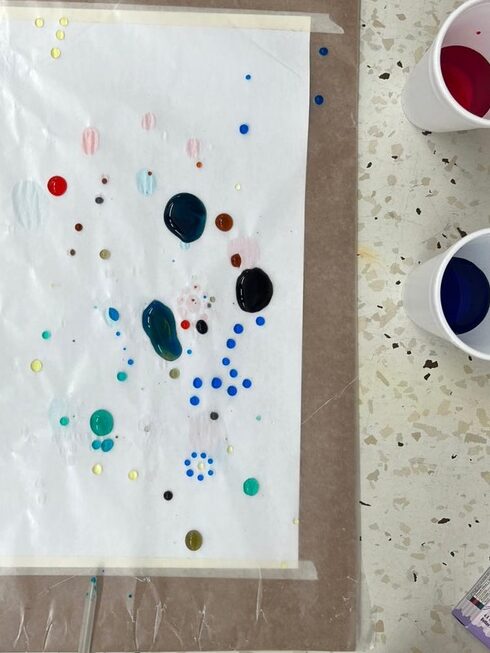
For the first activity, we mixed up three small cups of water and food dye to represent the primary colours, and had one pipette for each cup. We took a piece of cardboard with a blank white paper taped on top (to provide a clearer view of the colours that would be placed on top later), and covered it with wax paper which was taped to the underside of the cardboard. In groups of three, we experimented with placing droplets of colour water on top of the wax paper, as we were encouraged to do. Our instructor prompted us to investigate how many water drops could be put together in one “puddle” on the wax paper before it split into two. As we tried this, we naturally began mixing colours and created a rainbow using secondary colours, and soon were creating tertiary colours as well. This was a seemingly simple play activity, but my group organically started noticing many interesting phenomena on our own in the way the droplets behaved.

Some of our observations were:

  • Some of the colours mix more fluidly inside a two-colour droplet than others
  • Despite having equal amounts of dye in each cup, some of the coloured droplets are able to let more light pass through than others
  • Even the smallest bump or fold in the wax paper will dramatically shape the puddles of water that are created
  • Individual droplets can often stay put, while bigger puddles flow more quickly to the lowest point
  • The yellow dyed water has a very fluorescent quality, unlike any of the other colours
  • The wax paper mostly resists the water, but it can still be stained by the dyes in the droplets
  • Droplets that are placed close enough together will combine into one bigger droplet
  • Droplets and puddles always have a rounded shape on top and on the edges where the water meets the surface
Image credit: Anonymous EKTEP student

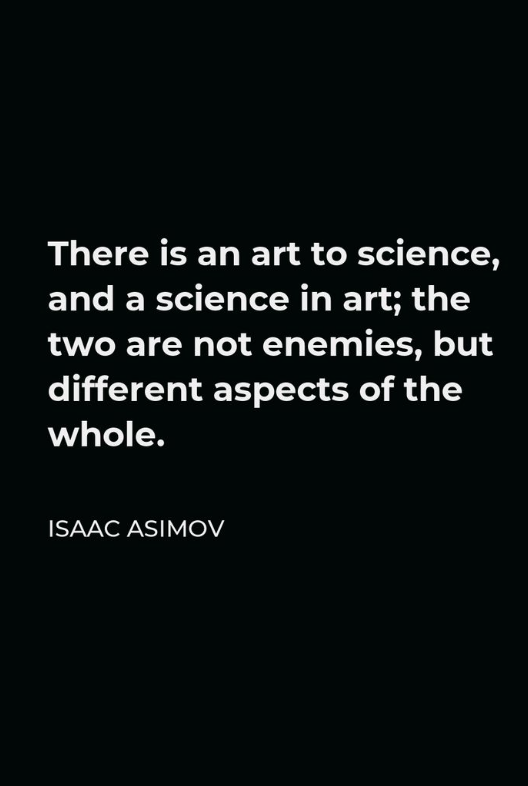
I was pleasantly surprised at how many observations about the properties of water and of colour happened in those few unstructured minutes of play. The most exciting thing this time reminded me of was how intertwined art and science are. I have always loved both, but rarely have had teachers recognize what the two “separate disciplines” have in common. When I reflect on the list above of observations, I can not tell you which ones are “artistic” or “scientific”: they are all fully both. When I think about the quote from Isaac Asimov at the top of the post, it reminds me of a podcast episode (yes, another podcast) I was listening to yesterday from NDN Science Show (created by Annie Sorrell and Loga Fixico) about the differences and the overlaps between Indigenous approaches to science and western approaches to science. Stay tuned for the next post, where I will tell you more about that!

Wonder Journal #1: Exploring Properties of Matter

Image credit: Unsplash

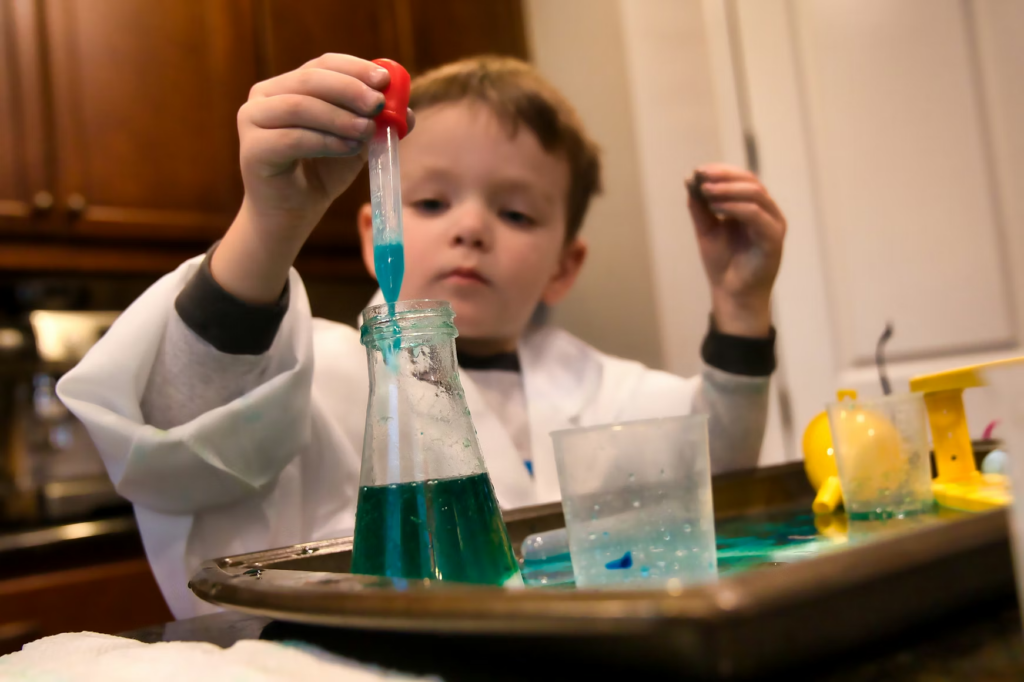
When I was a little kid, I had the privilege of a stay-at-home mum who was very crafty. She would set up something called “science day” for my sisters and I every once in a while, and we absolutely loved it. “Science days” looked something like this: a kitchen floor covered in an old bedsheet, topped with a box of food dyes, baking soda, vinegar, straws, dish soap, cornstarch, a very large orange plastic bowl, some baking trays, and spoons. We would stir, squish, and spill until we had created some new toxic waste for my mum to clean up, but it really was meaningful. I still remember the perplexing texture of cornstarch with water, the sizzling sound of baking soda and vinegar, and the way one drop of red would turn dough pink. Because I had such rich experiences where I was able to freely explore, I was disappointed and confused when I did “real science” in school, and exploring (for the most part) was no longer allowed.

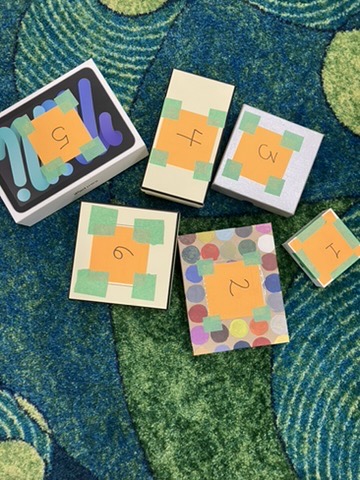
Image taken by myself, 2025

This is why I was thrilled when my elementary science instructor pulled out a set of mysterious boxes for us to investigate, as our students would, using our senses. The goal was to make predictions about the contents, the only rule was “don’t open the box”. I had almost forgotten that “real science” could be playful, imaginative, and creative. On top of that, I think this exercise perfectly embodies universal design for learning. Any student could participate in making predictions, because the task is so open, there are as many ways to study the object as one could dream up. Throughout my class, I noticed people shaking, sliding, weighing, listening to, and even smelling the boxes to collect data on the contents- these strategies probably just scratch the surface of what kids could come up with if they were presented with this activity.

When I came home from class, I compared this activity against the BC science curriculum, as I was wondering what age range it would be most applicable to. To me it seems most relevant in kindergarten, when matter is first being explored, but I can imagine it being adapted across several grades when studying Earth sciences and botany. For example, I could see the boxes being filled with a variety of substrates, such as sand, shale, clay, peat, soil, and silt, and students devising tests to determine their contents. I will be teaching Earth sciences this spring during practicum, and am considering how I can find similarly hands-on and open tasks where students can let their natural curiosity guide them. My childhood self that loved “science days” so much would be thrilled to see science instruction moving in this exciting new direction.

Links: https://curriculum.gov.bc.ca/curriculum/science/k/core