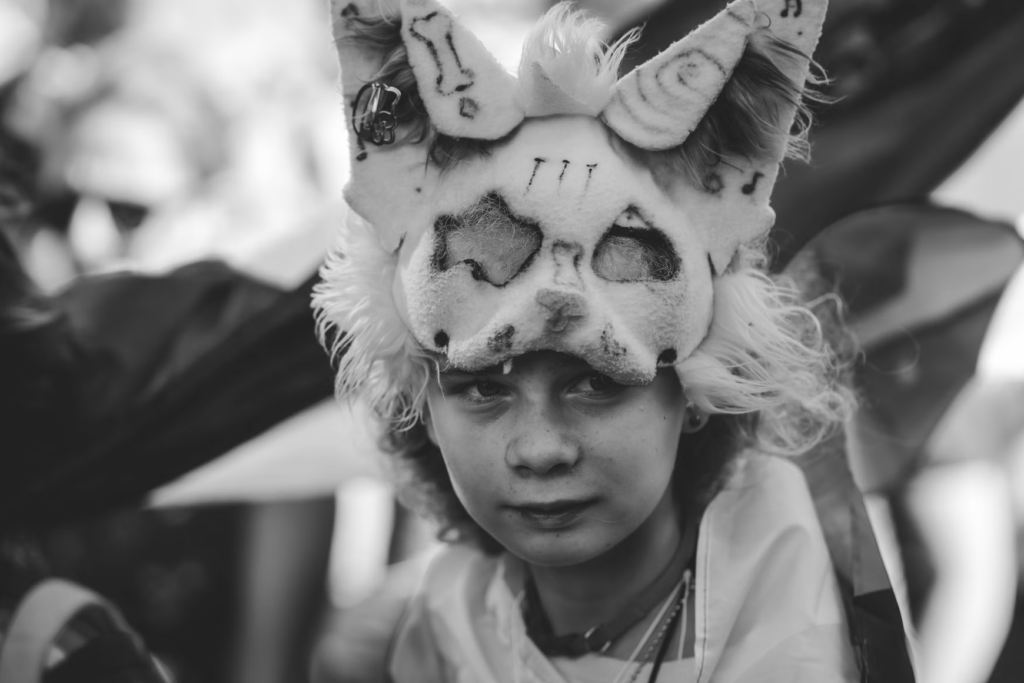
Recently when I was in one of my practicum classrooms, I noticed a wonderful piece of art on the wall. It was an animal mask (I think an owl) that looked like it might have been felted from grey wool, and it had some feathers and charms attached to it. It was very detailed, and it was clear it had been made with care. I asked my mentor teacher where it came from, and she said a student had made it for her. I was so impressed! Since then, I have noticed that some students at the school wear similar animal-inspired accessories, like fox tails, ears, or a mask. I love fashion and am a bit of a unique dresser myself, so I can appreciate this unconventional style. After some internet digging, I’ve learned that some of these accessories come from a subculture called “therians”, which are people that identify with specific species of animals and feel happy and comfortable when dressing and acting like them. Since this is not a widely researched or understood phenomenon, the best information I can provide (aside from the perspective of therians themselves) is probably this article from a child psychologist, which helped me understand this in the context of a middle school.
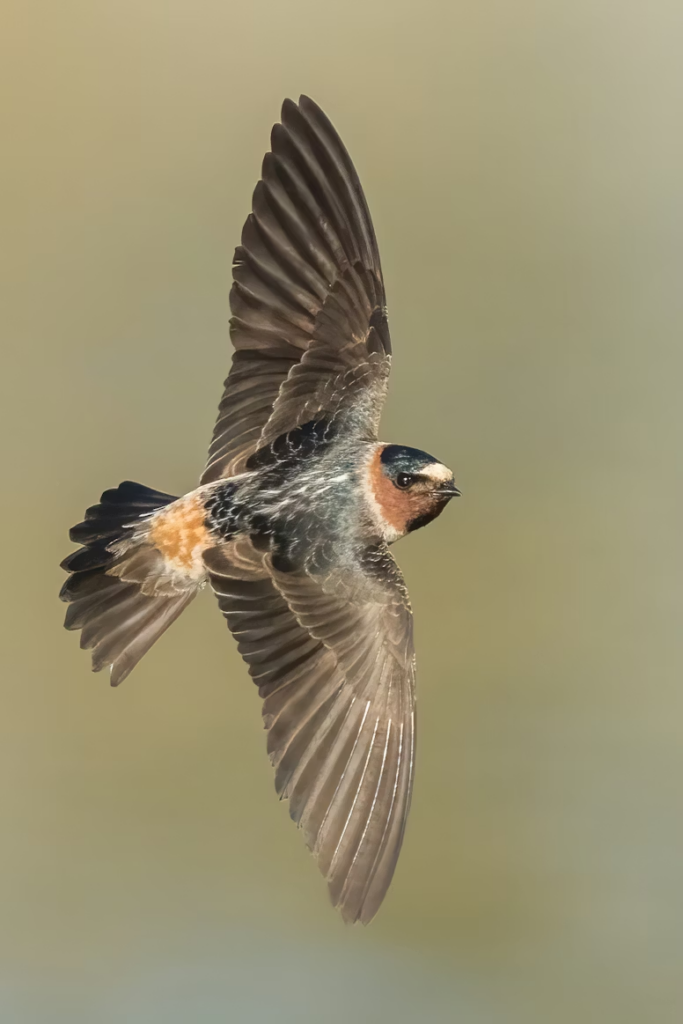
I didn’t give the idea of therians much more thought, but in science class today, a strong connection popped up. Our teacher discussed an outdoor science activity (geared towards grades two or three) that looked something like this:
- The teacher delivers a lesson on types of local bird species, discussing their individual traits, food sources, nest types, etc.
- The teacher uses a roll of brown paper to trace out wings for the students, which they then decorate and wear to the forest
- Students are prompted to see the forest through the perspective of their bird species, considering things like where predators might be, where to gather food, how to create a safe and warm nest, etc.
- Students play pretend by gathering materials, making nests, and interacting with other “bird species” (students) before returning inside to reflect on the expereince
Although there are some notable differences between the students participating in the bird activity and actually identifying as a bird therian, both these scenarios represent a really interesting way to understand wildlife. I am a strong believer that students model their needs through playing, and I think the increasing number of students who are identifying as therians could be a sign that students already know they need more connection to nature. As I design lesson plans for science, I want to make an attempt to connect with these students and incorporate their perspectives. I do not totally understand them yet, but that is ok, and I’m sure there are some really valuable things I can learn from them.