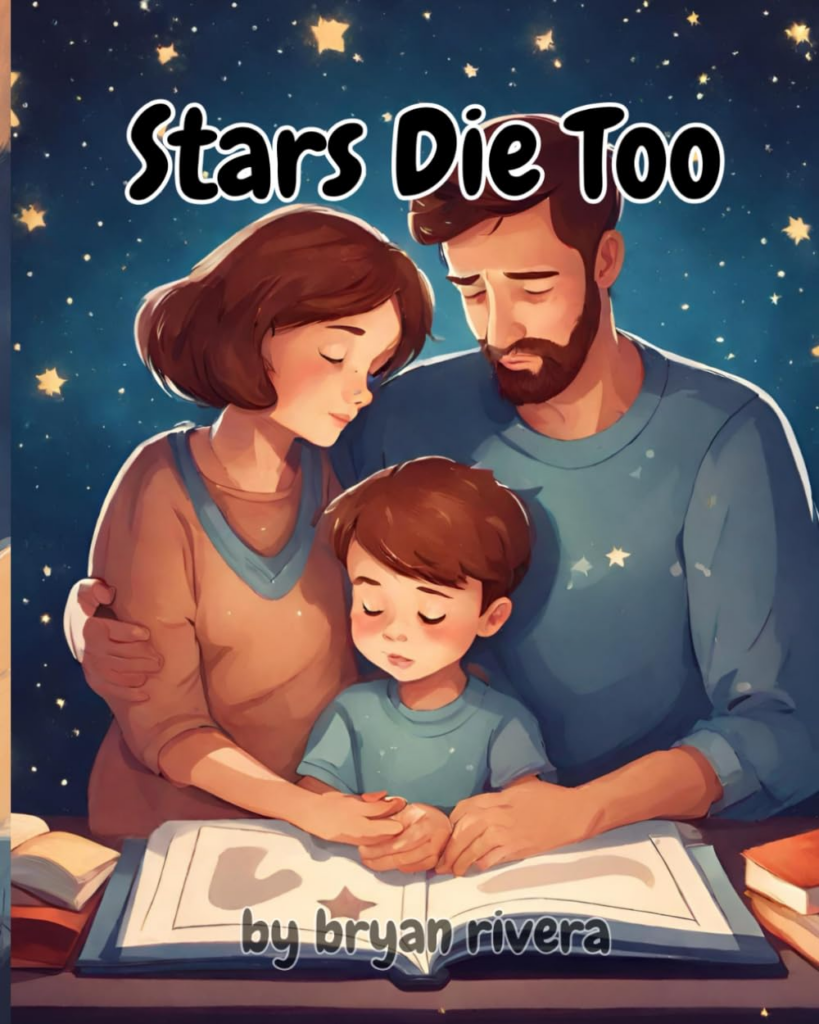
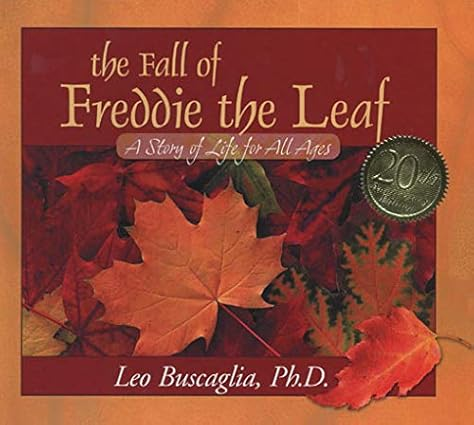
This week in science, a beautiful picture book was brought in, called “Stars Die Too”. I didn’t get the chance to read it in class, but it reminded me that there are resources like this out there to help students understand and accept death as part of the lifecycle for everyone and everything on Earth. It reminded me of a similar but much older book that a classmate introduced me to, called “The Fall of Freddie the Leaf”, which I really love. I believe that it is important for students to understand death from a young age, so that it is something that can be approached with love and understanding rather than fear and awkwardness. The beautiful yet tricky part is that every culture in the world, and every family, has a unique way of thinking and talking about human death, because it is so personal and often a key part of religion and spirituality. The aspects of various religions and spiritualities that help people make sense of death can be talked about in public schools, but only to a limited extent. Besides, this is only explicitly included in the BC social studies curriculum starting at grade seven, when origins, core beliefs, narratives, practices, and influences of religions comes into the picture.
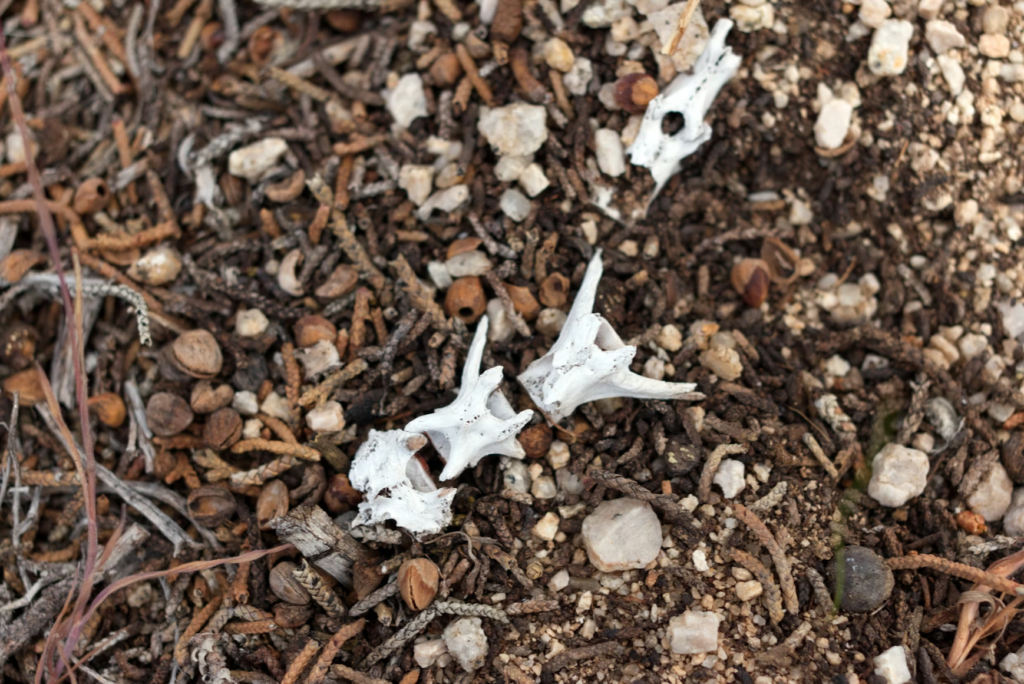
The fact that the only two children’s books on death I have encountered are the ones mentioned above is strange to me, given that death is a universal part of the human experience (I’m sure more are out there, please do leave a book suggestion if you have one). But, on the positive side, the fact that both of these books revolve around science (astronomy or changing seasons) gave me a hint at how we can talk about death with young students: through discussing life cycles! In a very secular, public school friendly way, I can imagine providing students with comfort by teaching about how matter is eternally changing form and being recycled, becoming part of new life. This perspective connects with the water cycle, rock cycle, the formation of our solar system, and of course the life cycles of living beings- all part of the BC’s elementary and middle school science curriculums at various grades. Now that I see this connection, I feel confident that as a teacher, I can naturally work conversations about death into the science curriculum at any grade.