The political climate in North America is tense right now, and teachers are certainly feeling it. I mean, of course we are- if one purpose of education is to “create democratic citizens”, then I think we have an inherently political job, although this is interpreted differently by each person who works in education. I feel that my political responsibility as a teacher is to push for further justice when us teachers get comfortable with whatever new status quo we have established. I was reminded of this responsibility yesterday when my teacher presented this beautiful book to the class, Julián is a Mermaid (Jessica Love, 2018). When I read it, I saw parts of my own queer childhood reflected in a realistic and loving way. This book would’ve meant the world to me as a kid.

When I got home I thought about how in different places and times, Julián is a Mermaid would not even be allowed to enter a classroom, despite providing such important messages and being a high-quality text. I felt grateful my teacher proudly recommended this book, and that my classmates were comfortable enough to enjoy it. This made me think, “Now that we’re comfortable with books like these, what do we need to open our minds and hearts to next? How can we challenge ourselves to include the realities of all our students, not just the realities that we see as normal?” I went searching for a high-quality children’s picture book that would push the boundaries of what my classmates and our provincial curriculum define as diversity and inclusion. I also chose to (cheekily) reference our course text Read Alouds For All Learners (Ness, 2024) by only referencing the title: who do we mean when we say all learners? Does this only extend to all reading abilities? Are we ready to include the realities relevant to all our students in the books we offer?

After reading the Radish article “15 Picture Books to Start a Radical Bookshelf”, I chose to explore How Mamas Love Their Babies, written by Juniper Fitzgerald and illustrated by Elise Peterson. I chose this book because it was recommended by a Black queer children’s book author (Gwendolyn Wallace), it has high-quality illustrations and text, and it’s radically inclusive of all mamas, even ones us teachers pretend don’t exist. Watch Woke Kindergarten’s read aloud below to see what I mean.
Now that you’ve watched it, you know that this book was made with love by two amazing mamas, to remind kids that each mama does something different to provide for their family, and each one is motivated by the same love for their kids. You know that this book depicts uncomfortable realities, like the fact that some mamas are in prison, that some mamas protest the government, that some mamas breastfeed and don’t hide their chests. You know that this book tells kids that mamas who fly airplanes and mamas who dance in heels all night are just as loving, caring, and deserving of respect as one another. I want to put books like this one in my classroom, but at the same time, I am wary.
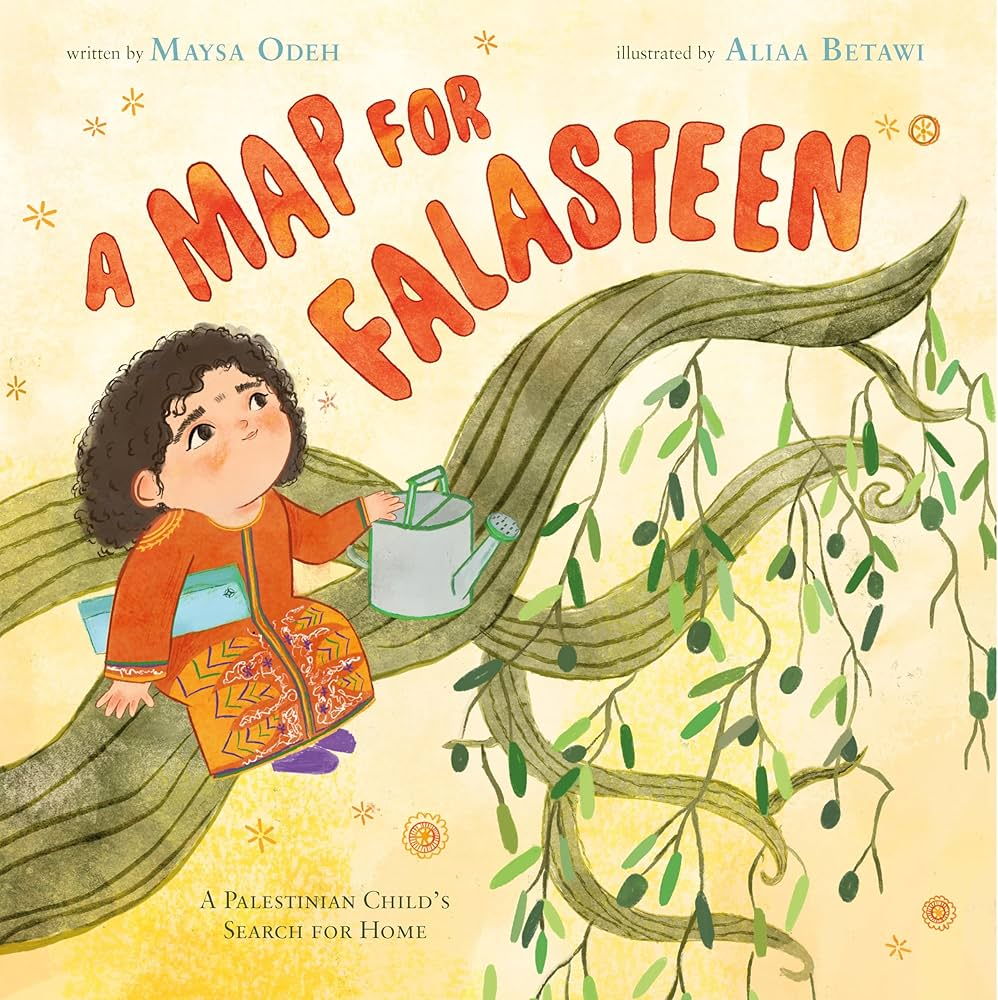
B.C.’s school library book selection guidelines, in my opinion, could easily be argued as for or against this specific book. On top of that, there are a small number of details in the book that I think students would be better off without seeing (e.g. the neon signs), although it would not be hard for me to cover these details. But what message would it send if I censored the jobs of some mamas, but not others? Would that do similar damage to not representing those mamas at all? I am not sure. I was probably expected to give an answer or opinion in this blog post, but to me, reflections that help us grow bring more questions than answers. So here are three more high-quality, radical picture books that would truly diversify a teacher’s book shelf, ones that I have not seen in any library yet. I love them, but I don’t know if I would keep them in my classroom. Would you? Let’s talk about it!